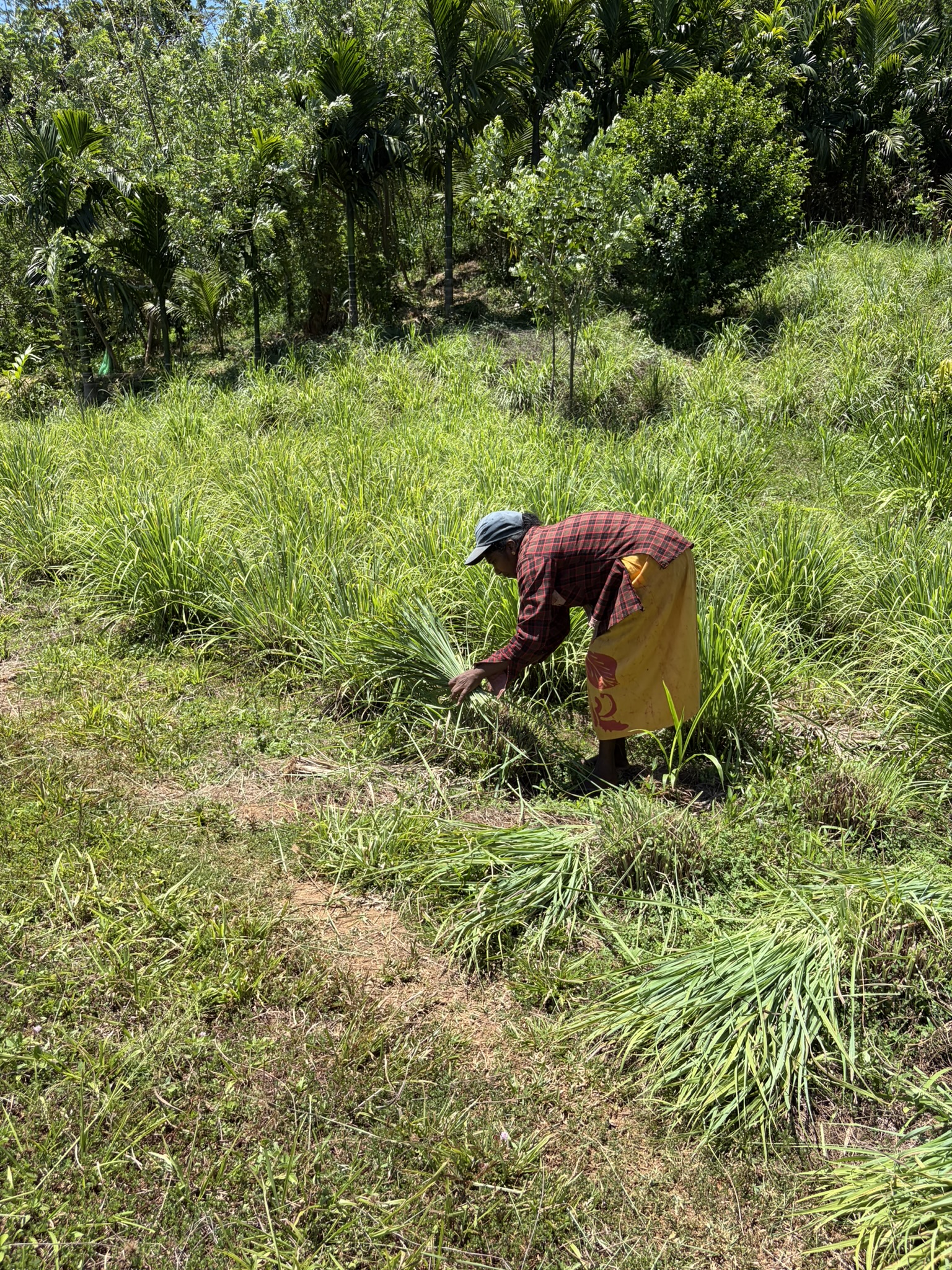
A field practice is useful only when it responds to a real need. Before pruning, weeding, irrigating or disturbing soil, ask what the crop is showing, how water is moving, what the weather has been doing and what changed since the last observation.
This approach does not create one fixed rule for every estate. It creates a repeatable habit: observe, record, act proportionately and review the result.
A short field note can capture date, location, crop stage, weather, observation, action and follow-up. Over time, these records help distinguish a one-off event from a seasonal pattern.
Photographs are useful when they are dated and located, but they should accompany—not replace—measurements and professional advice where crop health, inputs or safety are involved.
K1's approved position is to avoid unnecessary disturbance and to use minimum disturbance only where it is accurate and appropriate. K1 must not be described as blanket no-till. This article explains a decision principle, not a universal technical prescription.
Sources and further reading
FAO - Organic matter management ↗Use the K1 Origins contact form to submit an evidence-based correction.