Issue 01 · Ceylon coffee
Before the familiar tea story
An island’s coffee history offers a different way to look at the cup in front of us.
K1 Origins · From the quarterly journal
ORIGIN STORY
CEYLON / SRI LANKA
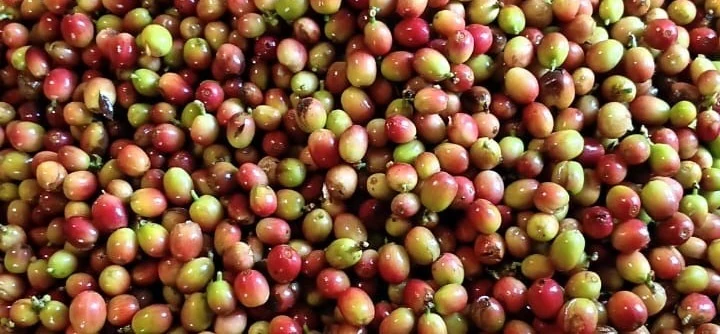
Say “Ceylon” and many people think of tea. Coffee belongs in that picture too. Long before tea became the island’s internationally familiar export, coffee helped reshape its hills, its trade and its economy. The story contains ambition and upheaval, agricultural knowledge and the limits of that knowledge. It also continues in the coffee grown in Sri Lanka today.
Ceylon coffee means coffee grown in Sri Lanka, the island historically known as Ceylon. The name identifies an origin. To understand a particular cup, we still need to look more closely at where it was grown and how it was prepared.
The hills become a coffee landscape
During the nineteenth century, British colonial authorities backed coffee cultivation as a source of revenue. Official support included land, experimentation and transport. Roads connected the central hills with Colombo, helping move the crop towards overseas markets. Coffee cultivation expanded around Kandy and into the highlands. [1]
A plantation economy involves more than plants. The crop shaped how land was used, where investment flowed and whose interests public infrastructure served. Sri Lanka Tea Board’s historical account describes an economy increasingly dependent on plantation revenue, with trading and financial institutions organised around the export crop. These arrangements would later support tea. [2]
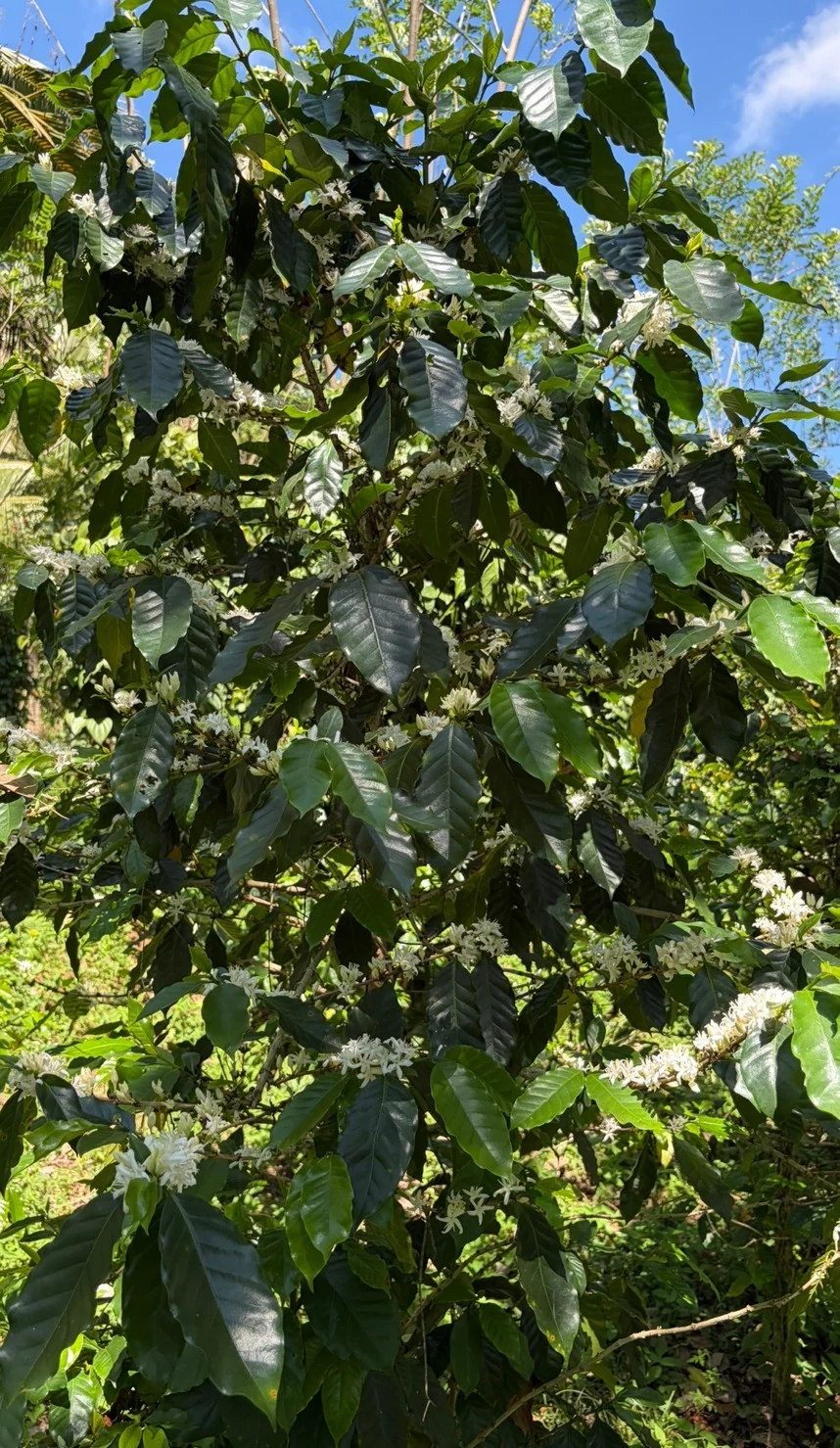
This is a history to read with care. Beautiful views and old estate names can draw our attention, while the systems that created them remain less visible. Remembering the colonial setting helps us ask who worked the land, who made decisions and who benefited. An origin story becomes more meaningful when it makes space for those questions.
A disease changes the course
Coffee leaf rust became the defining crisis of Ceylon’s coffee industry. The fungus, Hemileia vastatrix, attacks coffee foliage. As disease damages the leaves and causes them to fall, the plant’s productivity suffers. The epidemic associated with Ceylon in 1869 became a landmark in the history of plant disease. [3]
The change was gradual enough for hopes of recovery to persist and severe enough to make many plantations uneconomic. Botanist Harry Marshall Ward investigated the problem, studying the fungus and warning about the risks of extensive coffee planting. His work contributed to the developing science of plant pathology, even as the industry around him struggled. [4]
The lesson reaches beyond one fungus. A productive agricultural system can also be vulnerable, particularly when so much depends on the same crop. Research into the period shows how efforts to preserve coffee gave way to the reworking of the plantation system around other crops. [5]
THE COFFEE STORY CONTINUES
Tea takes a larger place
Tea cultivation was already being explored before coffee’s collapse was complete. James Taylor’s experiments at Loolecondera became important to the emerging industry, and other planters came to learn about growing and processing tea. Replanting required land, labour, money and time. [6]
As tea expanded, it inherited much of coffee’s commercial infrastructure. The change was therefore both a new chapter in cultivation and a continuation of an established plantation economy. By the end of the nineteenth century, tea had overtaken coffee in export volume, revenue and cultivated area. [2]
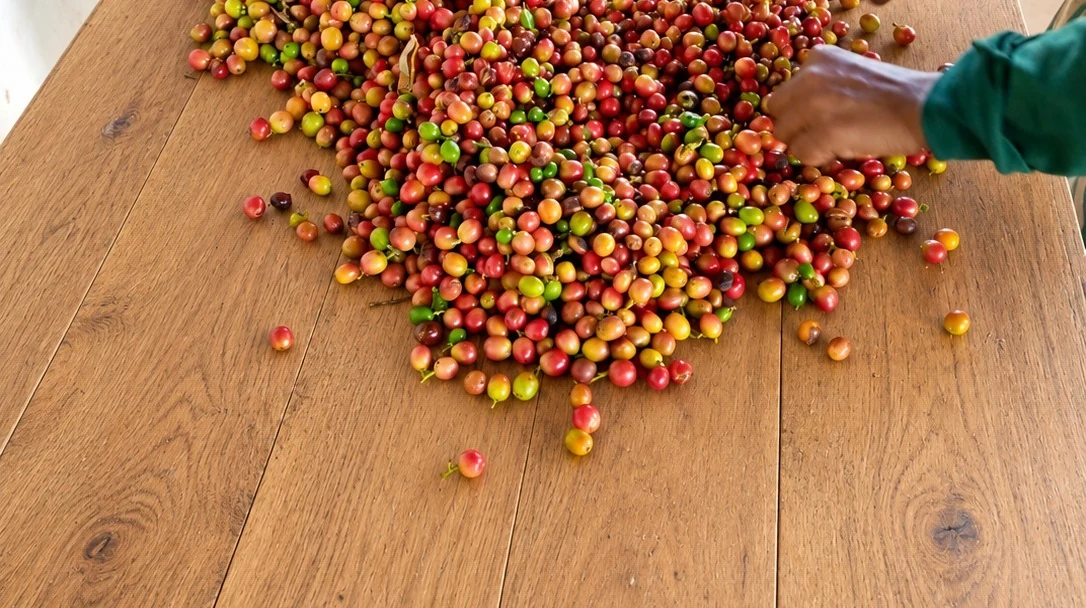
Coffee’s decline did not mean its disappearance. The Sri Lanka Export Development Board describes continued cultivation on a smaller scale and the production of both Arabica and Robusta. Today’s Ceylon coffee offers another way into the island’s agricultural story. [7]
FROM HISTORY TO HOME
Returning to the cup
History gives an origin depth. The details of a particular coffee tell us what we are buying.
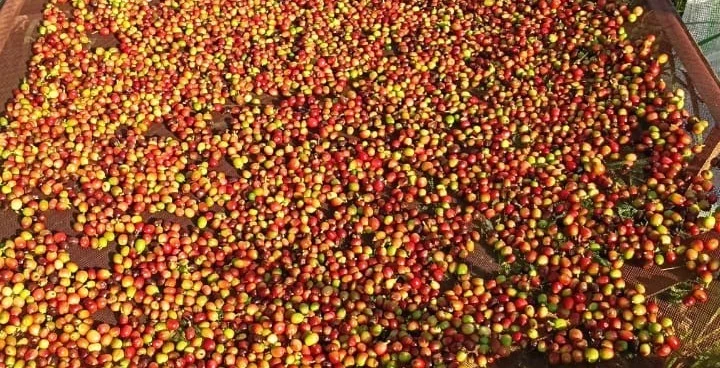
Look for the growing location, processing method and roast information. Read tasting notes as an invitation to notice aroma, texture and flavour. Different coffees from one country can offer different experiences; one description should never become a promise about an entire island.
K1’s Ceylon coffee is identified in its current product guide as coming from Kotmale. That is distinct from K1’s estate story in Matale.
Growing origin and roasting location also describe different stages: a Sri Lankan coffee can be roasted in Australia while retaining its Sri Lankan growing origin. The pack and its product record are the place to check current details. [8]
Perhaps that is the most useful way to return to Ceylon coffee: with a little historical perspective and a few better questions. Make a cup in a method you know. Notice what is there. Let the story deepen the pleasure without deciding the taste for you.